Sewer Rodding Services in Morris, IL
R & R Septic & Sewer Services brings professional drain clearing to homeowners and businesses in Morris, IL (Grundy County), backed by decades of industry experience. A blocked sewer line does not wait for a convenient time, and neither does the R & R team. Call 815-436-4110 today to schedule service.
Slow drains, sewage backups, and foul odors are common warning signs in Morris-area properties, particularly in older neighborhoods along the Illinois River corridor where aging clay and cast-iron pipes are prone to root intrusion and grease buildup. Sewer rodding is one of the most reliable first-line solutions for restoring flow.
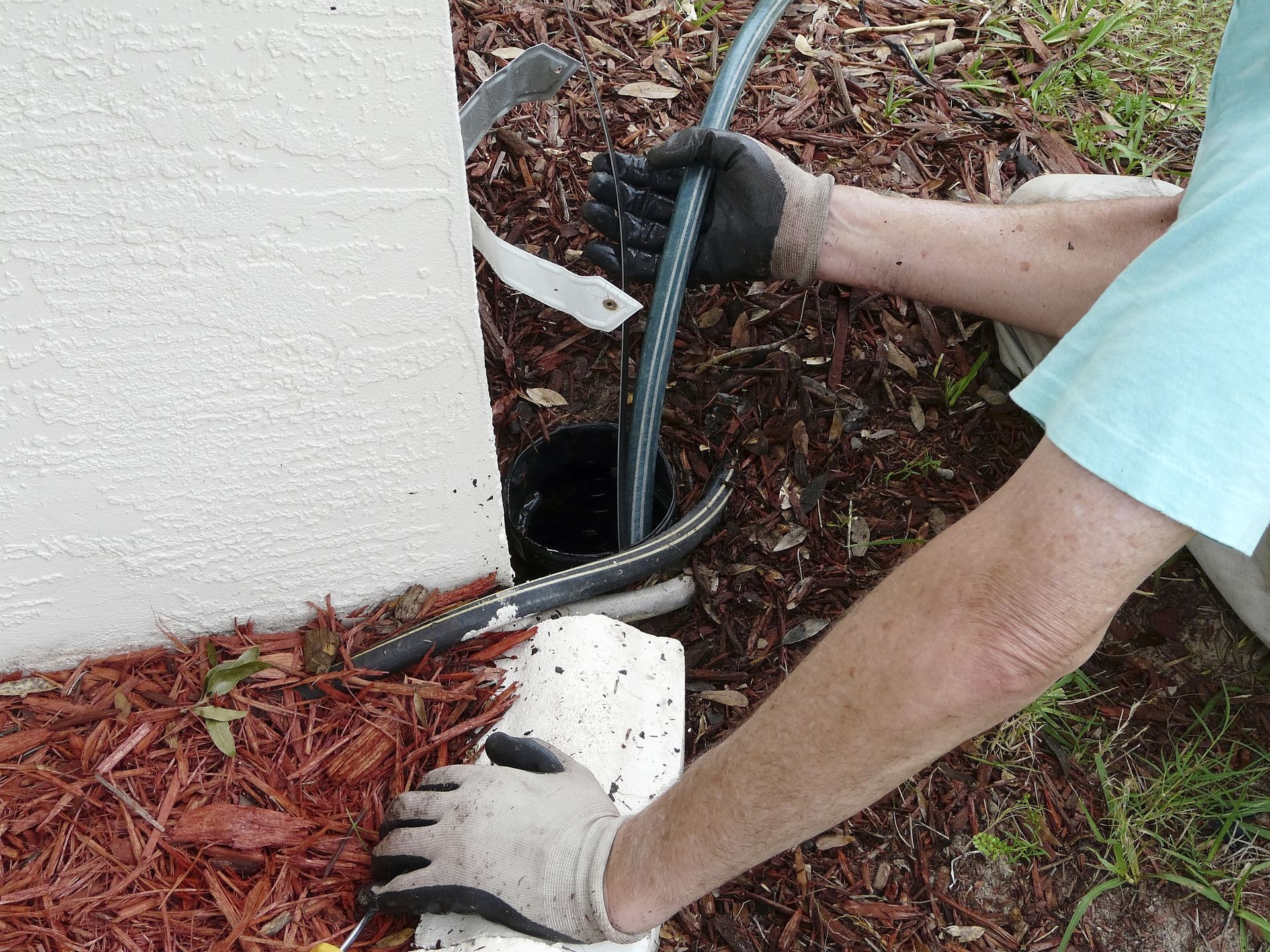
What Is Sewer Rodding and How Does It Work?
Sewer rodding uses a rotating steel cable fitted with cutting heads to break apart and remove blockages inside sewer and drain lines. It is well-suited for common Grundy County pipe problems including tree root intrusion, grease deposits, and compacted debris, and can often restore full flow in a single visit.
Here is what to expect when the R & R team arrives:
- The technician inspects the access point and identifies the affected line.
- A flexible rodding cable is fed into the pipe opening.
- Rotating cutting heads break apart the blockage.
- Debris is cleared and flushed from the line.
- Flow is tested to confirm the drain is fully open.
Rodding vs. Hydro Jetting: Which One Do You Need?
Rodding works best on solid blockages such as roots, compacted grease, and debris that need to be physically cut apart. It is typically the faster, more cost-effective option for most residential stoppages.
Hydro jetting uses high-pressure water to scour pipe walls and may be recommended when buildup is widespread or recurring. The R & R team can assess your line and recommend the right method.
Common Signs You May Need This Service in Morris, IL
- Multiple drains backing up at the same time.
- Gurgling sounds from toilets or floor drains.
- Sewage odor near floor drains or in the yard.
- Slow drainage that has not responded to store-bought products.
Residential and Commercial Properties
R & R Septic & Sewer Services handles drain clearing for both homes and commercial accounts throughout the Morris, IL area. Properties with older infrastructure or mature tree growth near lateral lines may benefit from annual service to prevent recurring blockages. For ongoing maintenance options, visit the septic services page.
Schedule Service in Morris, IL
R & R Septic & Sewer Services is a family-owned company with competitive, transparent pricing and prompt response across the Grundy County area. Free estimates may be available, so there is no guesswork on cost before the crew arrives. Call
815-436-4110 or connect through the
contact page. You can also find the business on
R & R Septic & Sewer Services on Google Maps.
Frequently Asked Questions
How Long Does Sewer Rodding Take?
Most residential sewer rodding jobs are completed in one to two hours. The total time depends on the severity and location of the blockage, as well as the accessibility of the cleanout or pipe opening. More complex stoppages or longer line runs may require additional time, but straightforward residential clogs are generally resolved in a single visit without the need for excavation or extended disruption.
Will Sewer Rodding Damage Pipes?
When performed by trained technicians, sewer rodding is generally safe for most pipe materials. Clay, cast-iron, and PVC lines commonly found in Morris-area homes can typically withstand the process without issue. The condition and age of the pipes are factors a technician will evaluate before proceeding, and the approach can be adjusted based on what the line is made of and how it is holding up.
How Often Should a Sewer Line Be Rodded?
Properties with mature trees, older pipes, or a history of recurring clogs may benefit from annual sewer line maintenance. Scheduling routine rodding helps prevent debris and root intrusion from reaching the point of a full blockage or sewage backup. The appropriate interval varies depending on the property's pipe age, surrounding vegetation, and how frequently drainage problems have occurred in the past.


